
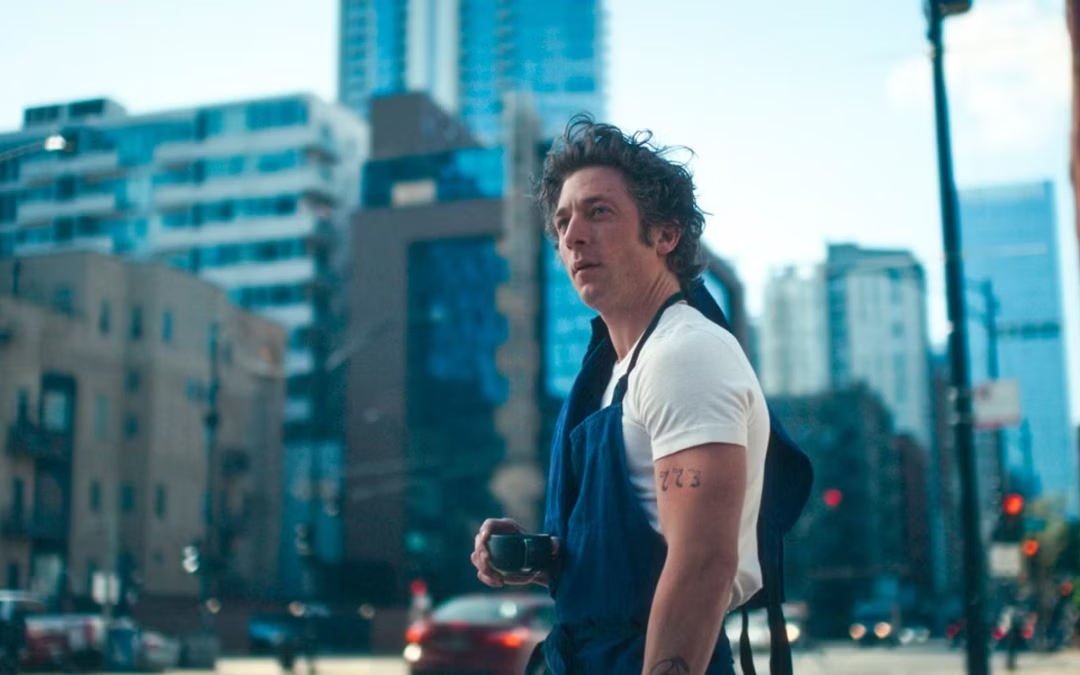
When The Bear first aired, it was electric. A show that somehow bottled the chaos of kitchen life and turned it into something lyrical. By the end of season two, I called it “a feast for the eyes” and that I couldn’t wait to see where it went next.
A couple of years later, having now watched seasons three and four, I think it’s fair to say The Bear has lost the thing that made it special. It’s still a beautifully acted, stylish series. But somewhere along the way, the heat in the kitchen went out.
The Wrong Lessons from Season Two
Season two was a creative high point. It balanced the claustrophobia of the restaurant with moments of quiet grace; single-character episodes that stopped everything dead just long enough to feel something. Forks and Fishes weren’t just standout chapters; they were emotional detonations.
But I think creator Christopher Storer took the wrong lessons from that success. Instead of using those moments as punctuation, to break up the chaos, the later seasons try to make every scene profound. Every character talks like they’re in therapy. Every bit of dialogue sounds like it’s chasing awards-season depth.
When everyone is self-reflective, no one feels real. The show used to thrive on tension, miscommunication, and conflict. Now everyone articulates their trauma like they’re reading from a group session transcript. The Bear once trusted subtext. Now it explains everything.
What made the early seasons sing was the contrast: the pressure of staying afloat in the chaos of the kitchen, then one or two moments that hit you in the chest. By making everything “a moment,” the show has made none of it matter.
The Cameo Problem: When Less Stopped Being More
Season two’s cameos were magic because they were surprising and contained. Olivia Colman’s gentle presence in “Forks” was a masterclass in less-is-more. The kind of guest spot that leaves you aching for more. Jon Bernthal’s flashback appearances were brutal and brief. You never knew when a star would appear, or how long they’d stay, but it always felt earned.
Now, in seasons three and four, those appearances have become routine. Will Poulter’s gentle chef returns, but only to potter about in the background. Jamie Lee Curtis’ mother character pops up again, each time diluting what was once one of the show’s most painful, memorable figures.
The magic trick has become a gimmick. Cameos now feel like a reflex, like the show knows we loved them once and keeps trying to recreate that emotional hit. But when you revisit a character too many times, you dilute the impact.
The Disappearing Jeopardy
Season four has an entire clock ticking down to profitability. On paper, the jeopardy’s still there. The characters say they’ll go under if they don’t make money, but somehow no one seems particularly tense about it. Instead of panic or urgency, there’s a kind of calm self-belief. They keep hiring new staff, revamp the menu, and consistently tells you, the viewer, the pressure’s on, without ever making you feel it. Where season one thrived on friction, the later seasons have become nice. Everyone’s supportive. Everyone’s healing. Everyone’s calling each other family like they’re in Fast & Furious.
It’s earnest, but it’s dull. These characters have all become better people, which is lovely for them but terrible for drama. Part of what made The Bear great was that it was unflinching about how hard hospitality is. It showed the cost on your time, your body, your relationships. It was claustrophobic and funny and real. Now, it’s become an aspirational show about teamwork and emotional literacy. It’s a feel-good show that forgot how to feel bad, and that’s where its bite used to come from.
Part of that drift comes from a kind of character inflation. In seasons one and two, the ensemble worked because you caught glimpses of their inner lives. Tina’s arc from line cook to sous-chef was subtle and satisfying. Richie’s redemption in “Forks” landed because we’d seen how unbearable he could be.
Now, everyone’s got an emotional subplot. Every character has to have a trauma, a dream, or a therapy session. The writers have built so much backstory that the show can barely move forward. It’s as if no one can just exist in the kitchen anymore, everyone’s got to be on a spiritual journey.
The result? A show that once thrived on momentum now feels static. Characters are 90% through their arcs, circling the same lessons. They’re treading water, and so is the show. The writing wants to say something profound every time someone speaks. The show’s trying to be deep instead of just being honest.
Where It Could End — and Why It Should
If The Bear ends with season five, that feels right to me.
The original premise, a talented chef takes over his brother’s sandwich shop after suicide, has carried the show for four seasons. There’s only so far you can stretch that grief before it stops resonating. You can feel the show circling resolution: Carmy coming to terms with his brother’s death, Sydney stepping fully into leadership, maybe even the restaurant finally standing on its own without him.
It doesn’t need another reinvention. It needs closure.
Season three and four, filmed and written back to back, already felt stretched, like the writers were trying to fill twelve episodes of story with twenty episodes of mood. Season five could bring it home: finish the arcs, let the characters find peace, and then, mercifully, end before it turns into self-parody.
I still love The Bear. It proved that a story about food and failure could be cinematic and soulful. But it also shows how easily brilliance can calcify into formula.
What made The Bear powerful wasn’t its monologues or metaphors. It was the food shots, the tension, the moments of humanity that snuck in when no one was looking. If season five is truly the end, it could still stick the landing. But the lesson is that maybe The Bear doesn’t need to be transcendent anymore. Maybe it just needs to be real again.
Enjoy complex characters and morally grey stories?
I’m James Damm, an independent author with a fascination for flawed characters, difficult decisions and the darker side of human nature.
If you enjoy stories that explore what makes people tick, you might enjoy my novels, too.